
- Call Us: +91 70947 14455
- Email:hgwcin@gmail.com

Why Is Education Important in Islam? Education is the foundation upon which character, identity, and purpose are built. Islamic education shapes confident, responsible, and visionary youth who contribute positively to society.
When a child is born, Allah gives him some basic knowledge called instincts. As soon as he is born, a baby automatically knows how to cry and move his arms and legs. As we grow older, experience teaches us the lessons of life. As we learn about the world and the natural laws that govern it, it becomes clear that there must be an all-knowing, all-powerful Creator. This Being is none other than Allah.
Islam has always emphasized the pursuit of knowledge. Allah ﷻ says:
“Read! In the name of your Lord who created.” (Qur’an 96:1)
The very first revelation commanded reading—signifying that empowerment begins with knowledge. A person without knowledge cannot distinguish between right and wrong, cannot set meaningful goals, and cannot work towards Jannah.
How Islamic Education Empowers Youth
Islamic education provides young Muslims with spiritual grounding, ethical values, and intellectual clarity. It is essential not only for preparation for the Day of Judgment but also for living in this world with guidance.
Benefits of Islamic Education
- Builds faith-driven confidence
- Develops critical thinking skills
- Encourages community leadership
- Promotes resilience in modern challenges
The Prophet ﷺ said:
“Seeking knowledge is a duty upon every Muslim.” (Ibn Majah 224)
Role of Islamic Schools
Islamic schools blend academic excellence with value-based teachings. They offer structured Quran learning, character-building programs, and mentorship.
As Muslims, we are required to seek and teach beneficial knowledge. We must avoid knowledge that harms individuals, society, or religion—anything prohibited by Allah.
Youth Empowerment Through Education
Educational guidance strengthens youth empowerment by aligning ambition with Islamic ethics. It shapes future scholars, leaders, and entrepreneurs.
We live in a world filled with hostility towards Muslims. One mistake becomes an opportunity for the media, extremists, and atheists to target us. Only empowered youth with proper Islamic and worldly education can represent Islam positively and confidently.
Some practical Ways to Empower Muslim Youth
- Encourage Islamic studies alongside modern education
- Promote volunteerism and leadership roles
- Provide mentorship and career counselling
- Ensure access to Islamic literacy programs
Knowledge in Islam
Islam places immense value on knowledge. The best knowledge is that of the Quran and Sunnah. Through them, we understand Islam and our responsibilities as Muslims.
Allah says:
“Allah will elevate those of you who are faithful, and raise those gifted with knowledge in rank.” (Qur’an 58:11)
How to Guide Muslim Youth
To guide youth effectively:
- Encourage participation in Islamic studies, beginning with Tawhid and love for the Quran
- Use digital media creatively
- Create youth-led Islamic workshops
- Promote responsible social media use
- Connect them with scholars and motivational speakers
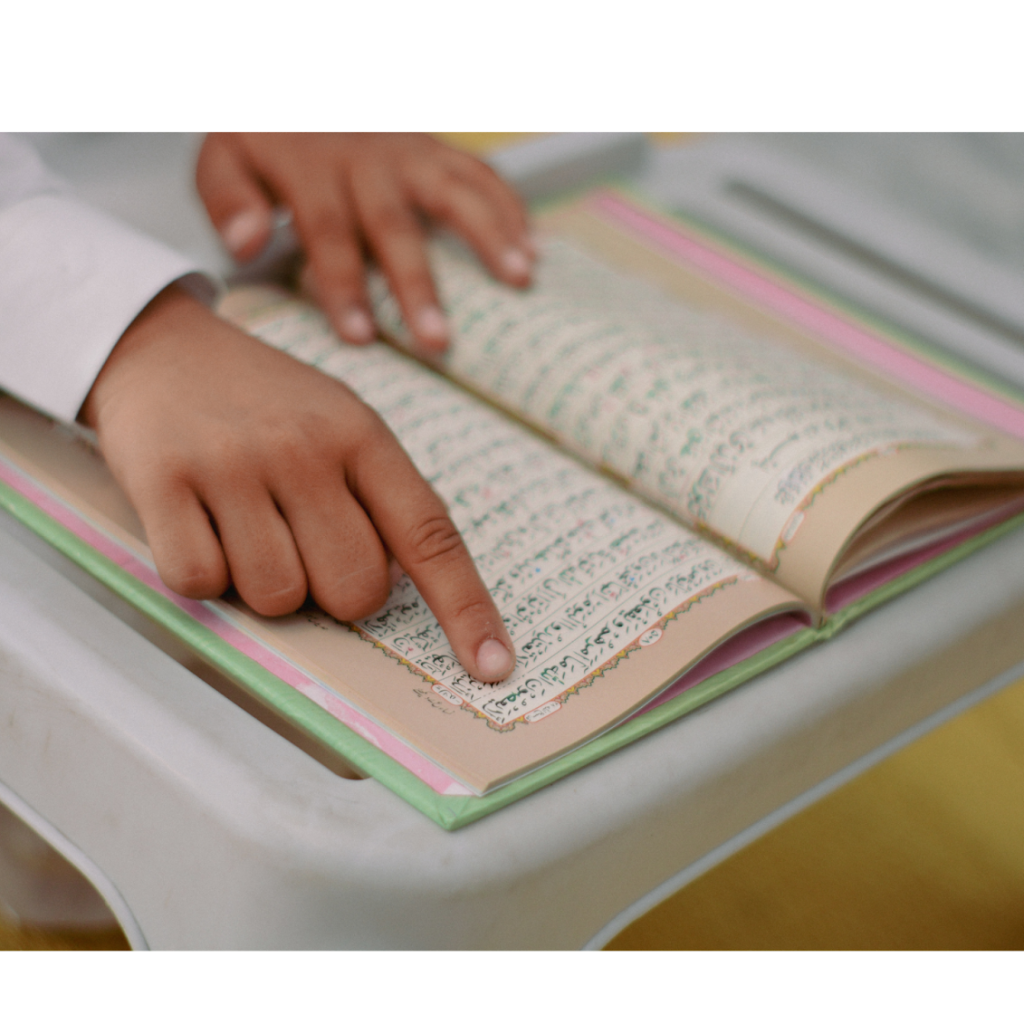
Quran Learning and Real-Life Application
Young Muslims must not only learn the Quran but also apply it to real-life situations—career ethics, social media behavior, and decision-making.
The Quran guides us to the right path and helps us succeed in this world and the Hereafter. We should recite it daily, memorize at least some portions, and seek its blessings (Barakah) in our lives.
Islamic Literacy Programs
Expanding Islamic literacy programs helps bridge the gap between religious values and modern life. Allah loves sincerity in actions and dislikes those who teach righteousness but do not practice it.
Start Your Islamic Learning Journey. Ready to empower the next generation?
Click here to enroll in our Islamic education initiative.
Conclusion
Islamic education is more than schooling—it is a lifelong journey of understanding, reflection, and growth. By empowering youth, supporting Islamic schools, promoting knowledge, and strengthening literacy programs, we can build a resilient Muslim generation.
It is also considered a form of Sadaqah Jariyah, bringing ongoing rewards even after one’s last breath.
Frequently Asked Questions FAQs
1. What is the importance of Islamic education today?
It instills faith, discipline, leadership, and moral values in youth.Education in Islam is considered a fundamental religious obligation, not merely an academic pursuit. The Quran’s first revelation commanded “Read!”, establishing learning as central to Islamic practice.
2. How can families promote youth empowerment?
By encouraging continuous Quran learning and involvement in community work.Modeling behavior demonstrating personal commitment to prayer, Islamic study, and ethical conduct
3. Are Islamic schools necessary?
Of course, they create an environment that nurtures both academic excellence and spiritual growth.They niche an ethical framework enabling youth to navigate modernity through Islamic principles rather than secular relativism.
4. Why is education important in Islam?
It is the key to understanding one’s purpose and fulfilling potential. The Quran’s first revelation commanded “Read!”, establishing learning as central to Islamic practice. Prophet Muhammad (PBUH) declared “Seeking knowledge is obligatory upon every Muslim,” making education a divine duty.
© Copyright 2024, All Rights Reserved
Leave Your Comments